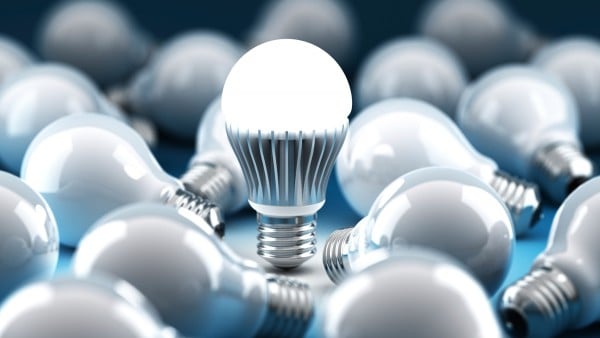
The way we illuminate our homes, offices, and public spaces has undergone a dramatic transformation over the past few decades. Among the most significant innovations in lighting technology is the LED light bulb. Known for its energy efficiency, long lifespan, and versatile applications, the LED light bulb has become an essential component of modern living. It not only reduces electricity costs but also contributes to environmental sustainability, making it a preferred choice for both residential and commercial use.
The term LED stands for light-emitting diode, a semiconductor device that produces light when an electric current passes through it. Unlike traditional incandescent bulbs that generate light through heat, the LED light bulb emits light more directly, resulting in significantly less energy loss led 燈泡. This fundamental difference is what makes LED lighting highly efficient and environmentally friendly. Over the years, advancements in LED technology have improved brightness, color rendering, and design flexibility, enabling it to compete with and surpass conventional lighting solutions.
Energy efficiency is one of the most appealing aspects of the LED light bulb. Traditional incandescent bulbs convert only about ten percent of electricity into visible light, with the remaining ninety percent wasted as heat. In contrast, LED bulbs convert a much larger portion of energy into light, requiring far less electricity to produce the same brightness. This efficiency translates to lower electricity bills, making LED light bulbs an economically sound choice for households, offices, and public institutions. Over time, the reduced energy consumption also leads to a smaller carbon footprint, contributing positively to environmental conservation.
Another advantage of the LED light bulb is its long lifespan. While incandescent bulbs may last only a few thousand hours and compact fluorescent lamps slightly longer, LED bulbs can function effectively for tens of thousands of hours. Some high-quality LED bulbs are rated for up to fifty thousand hours of operation, which significantly reduces the need for frequent replacements. This durability is especially beneficial in commercial or industrial settings where replacing bulbs can be labor-intensive and costly. A longer lifespan also means less waste, reinforcing the environmental benefits of LED lighting.
LED light bulbs are available in a wide range of designs, shapes, and sizes, allowing them to meet diverse lighting needs. They can be found in standard household formats, decorative fixtures, spotlights, and even specialized bulbs for outdoor or industrial applications. Additionally, LED bulbs offer various color temperatures, ranging from warm yellow light suitable for cozy interiors to bright white or daylight tones ideal for workspaces. Some advanced models also feature adjustable brightness and color-changing capabilities, giving users complete control over ambiance and functionality.
Safety is another key feature of the LED light bulb. Unlike incandescent bulbs, which can become dangerously hot to touch, LEDs generate minimal heat, reducing the risk of burns or fire hazards. They also do not contain hazardous materials such as mercury, which is present in some compact fluorescent lamps. As a result, LED light bulbs are safer for both household use and disposal. Their robust construction further adds to durability, making them less prone to breaking or shattering.
Technological advancements have also made LED light bulbs more intelligent and adaptable. Smart LED bulbs can be integrated into home automation systems, allowing users to control lighting through smartphones, voice assistants, or pre-programmed schedules. These smart features enable energy-saving automation, customized lighting experiences, and enhanced convenience. For example, lights can be dimmed or color-shifted automatically based on time of day, activity, or occupancy, further optimizing energy use and comfort.
Environmental sustainability is a core reason behind the growing popularity of LED light bulbs. Reduced electricity consumption decreases demand on power plants, lowering greenhouse gas emissions and contributing to cleaner air. Additionally, fewer replacements mean reduced waste and less strain on landfills. Manufacturers are increasingly adopting eco-friendly production processes and recyclable materials, making LEDs a more responsible choice compared to traditional lighting options. The combination of energy efficiency, durability, and reduced environmental impact positions the LED light bulb as a critical tool in the transition toward greener living.
Cost, while initially higher for LED bulbs compared to traditional lighting, is offset over time by energy savings and extended lifespan. Many governments and utility companies also provide incentives, rebates, or tax credits to encourage the adoption of LED lighting. For both individuals and businesses, this makes switching to LED a financially sound investment with long-term returns.
LED light bulbs are also shaping modern architectural and interior design trends. Their compact size and flexibility allow designers to incorporate lighting in innovative ways, from under-cabinet illumination to wall washes, recessed ceiling fixtures, and accent lighting. LED technology supports creative designs without compromising energy efficiency or safety. Additionally, LED lighting can be combined with sensors, motion detectors, and automated dimming systems to enhance functionality, security, and user experience in both commercial and residential environments.
Maintenance requirements for LED light bulbs are minimal. Unlike traditional bulbs that may burn out unpredictably, LEDs fail gradually, often dimming over time rather than abruptly extinguishing. This predictable behavior allows users to plan replacements efficiently. Moreover, their robust design ensures resistance to vibrations and frequent switching, which can be a problem for other lighting technologies. The combination of low maintenance and longevity makes LEDs an attractive choice for large-scale installations such as office buildings, hospitals, schools, and public facilities.
LED light bulbs have also transformed outdoor and street lighting. Cities worldwide are replacing conventional street lamps with LED alternatives to reduce electricity costs and enhance visibility. LED streetlights provide brighter, more uniform illumination, improving safety and reducing energy consumption simultaneously. Their long life and durability make them ideal for urban infrastructure, lowering maintenance costs and improving sustainability in public services.
